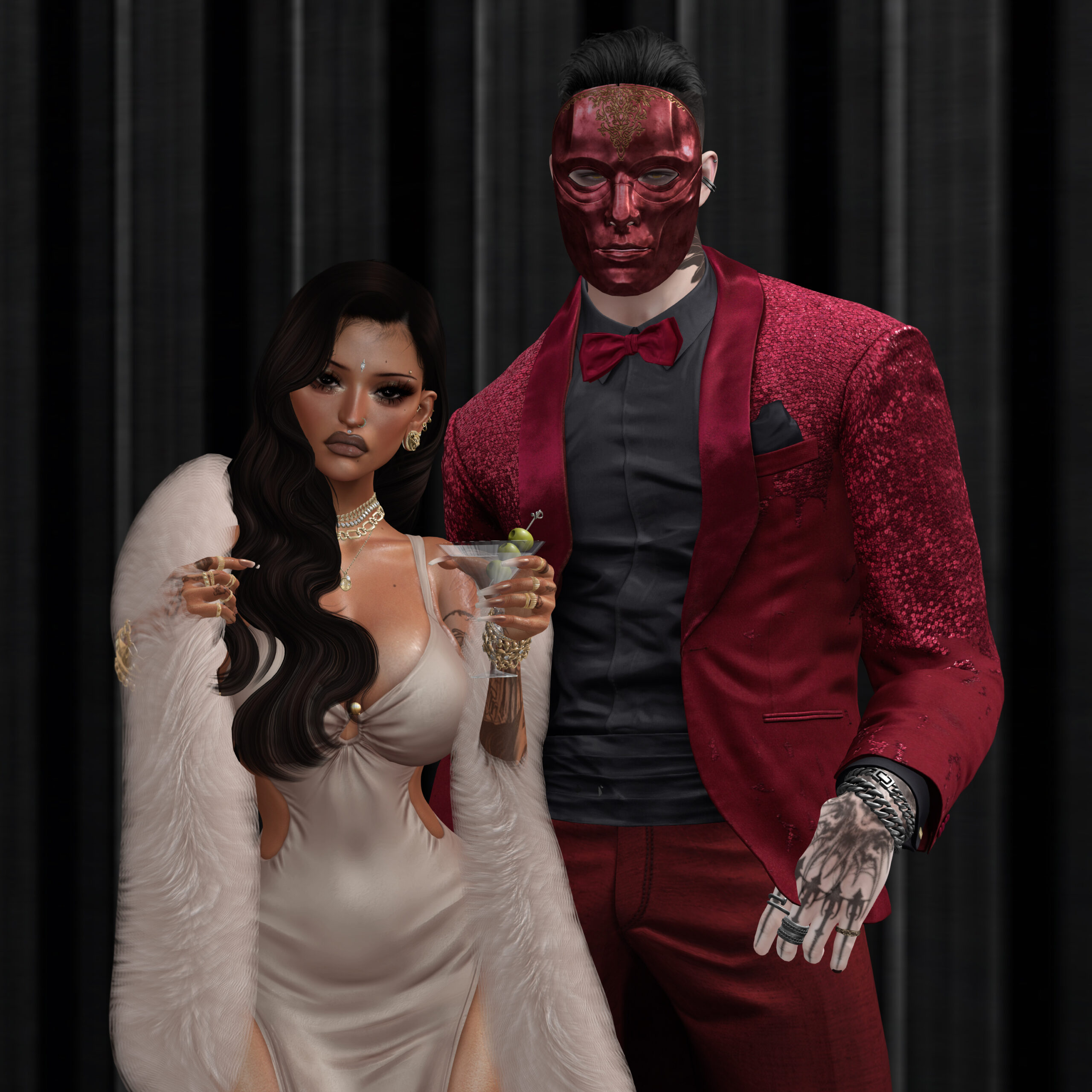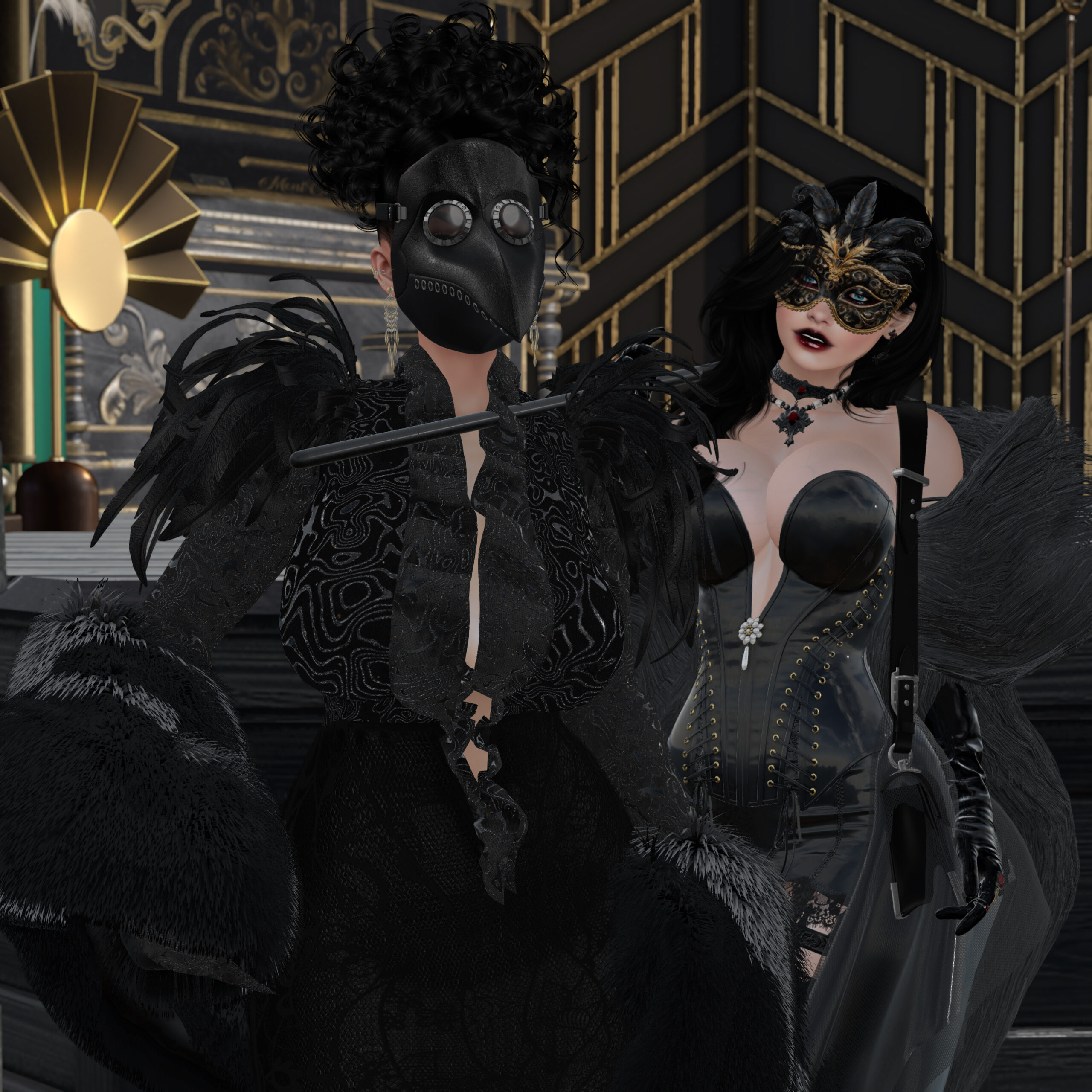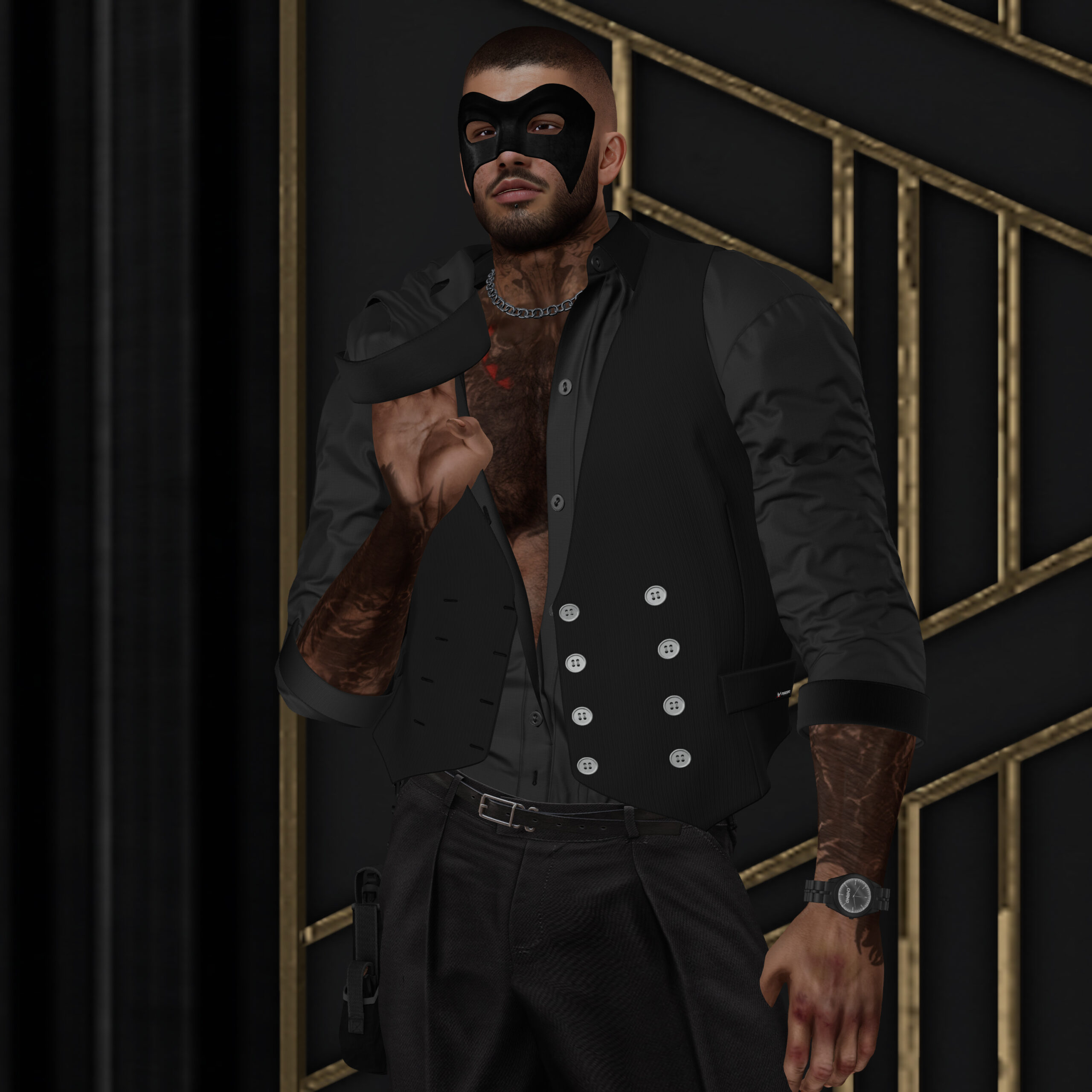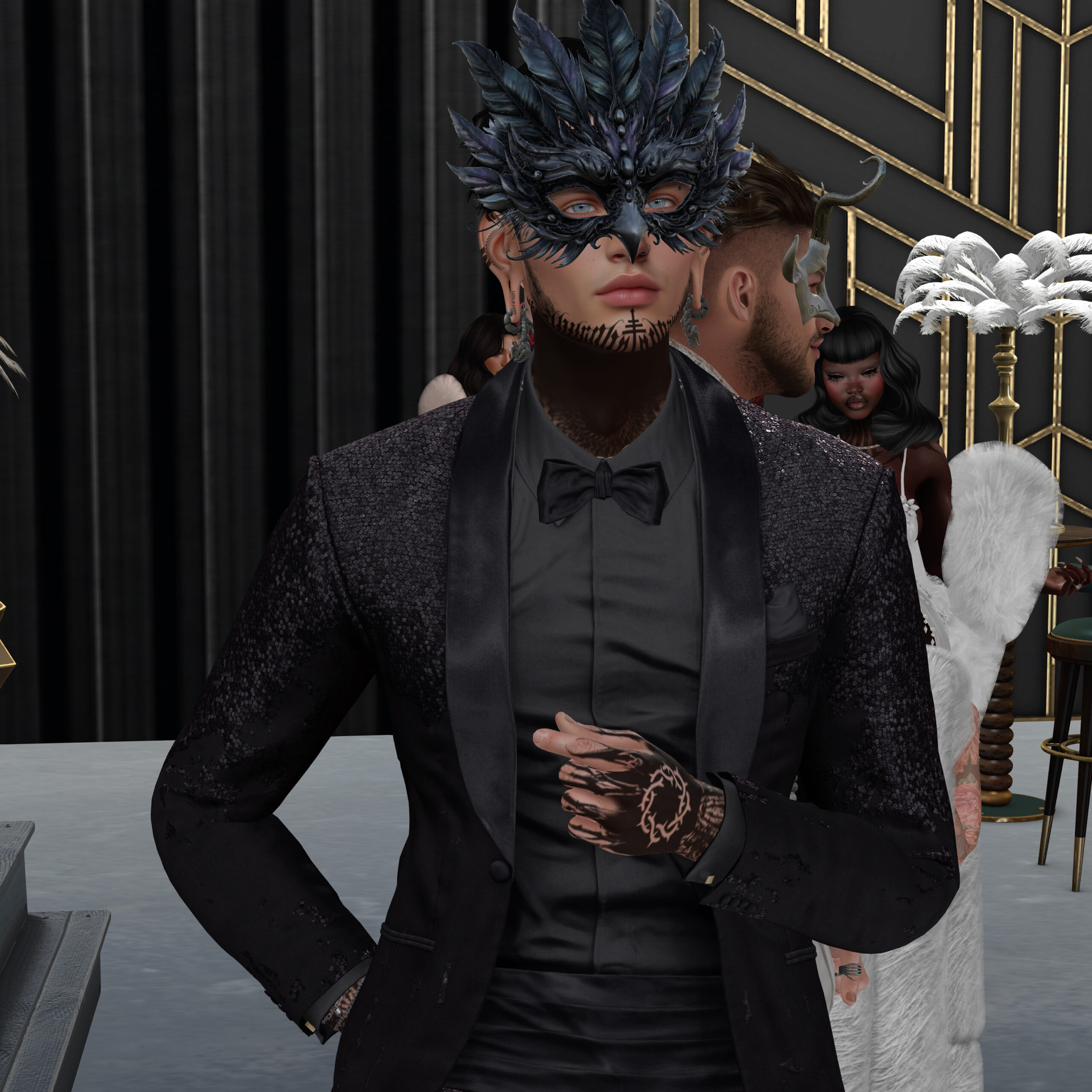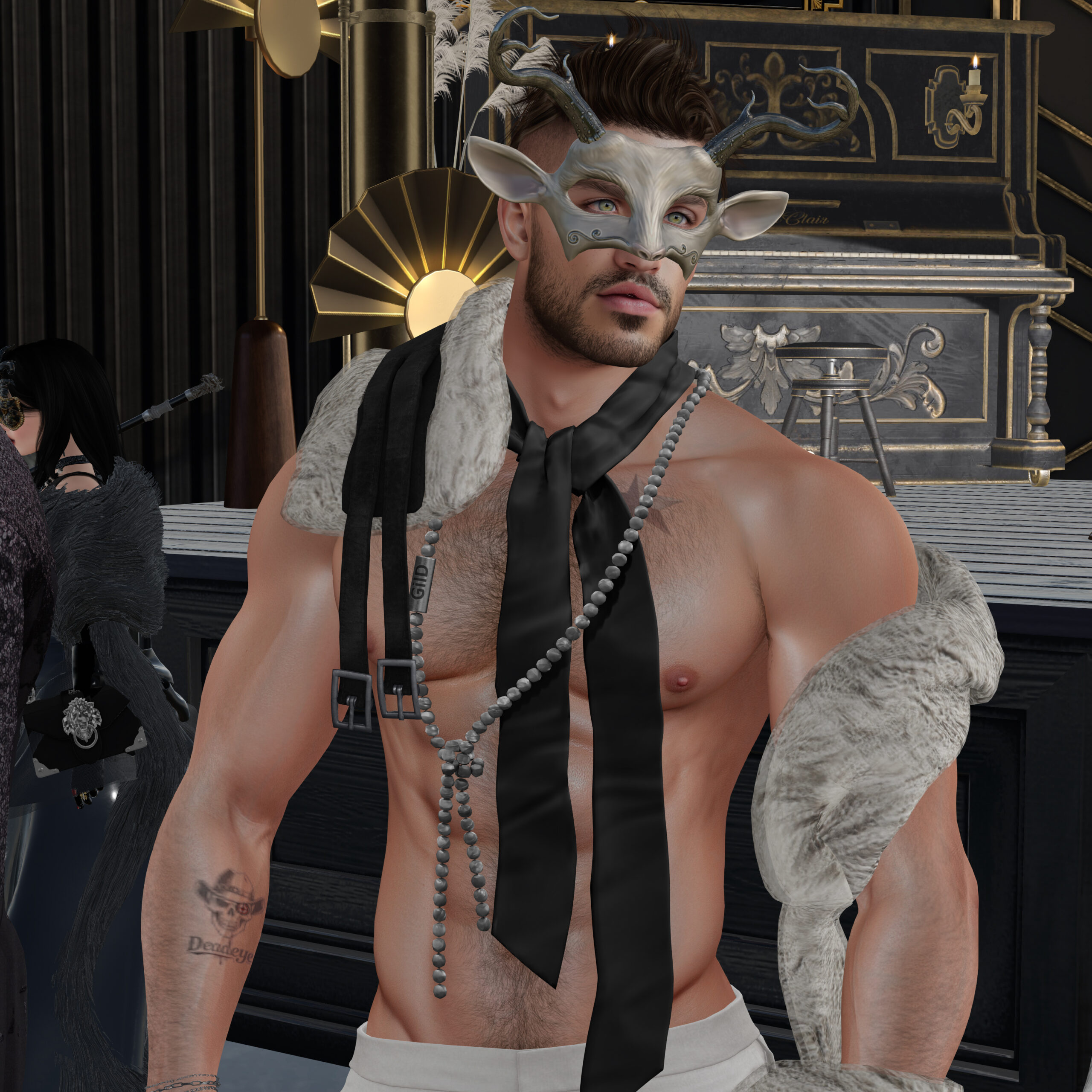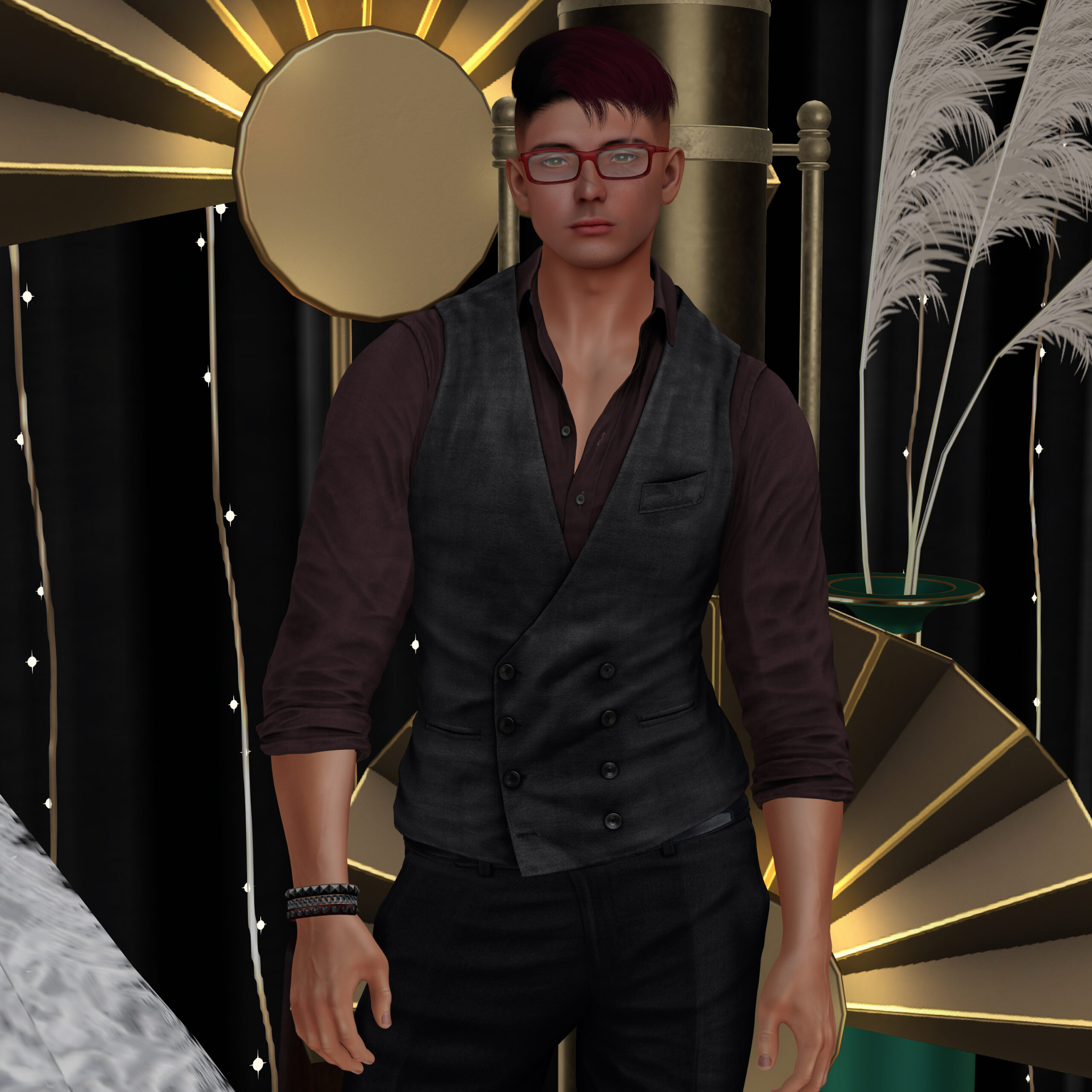
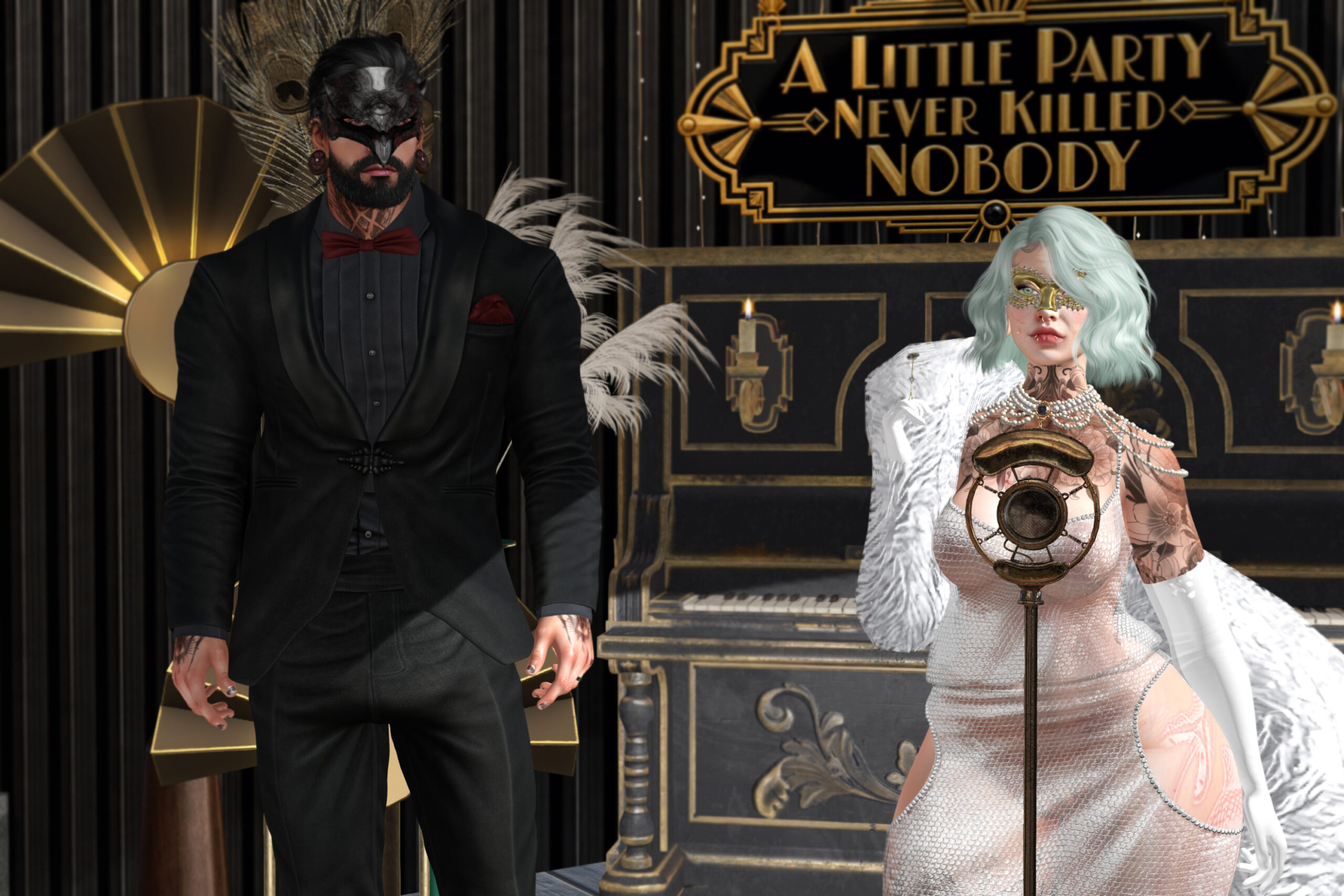
Eira Sh’Zual and Kingston Varriale usher in a new era for Laveau’s public healthcare
For one evening, at least, the future of public healthcare in Laveau looked brighter than it has in years. The reopening of Laveau Hospital brought together a crowd considerably larger than many had anticipated this weekend, filling the hospital’s halls with music, conversation, champagne and the unmistakable atmosphere of a celebration long overdue.
At the center of it all stood Dr. Eira Sh’Zual and Kingston Varriale, whose partnership has quickly become one of the most visible examples of cooperation in Laveau‘s public institutions. Where previous years have often been characterized by instability, uncertainty and a lack of direction, particularly within public healthcare, the new leadership appears determined to turn the page. The two seem to complement one another remarkably well.
Sh’Zual brings the medical expertise and institutional knowledge one would expect from the person entrusted with the hospital’s clinical future, while Varriale has taken on a broader role in rebuilding the institution and reconnecting it with the community. Together, they presented a hospital that felt less like an abandoned relic of Laveau‘s troubled past and more like an institution ready to reclaim its place in our town.
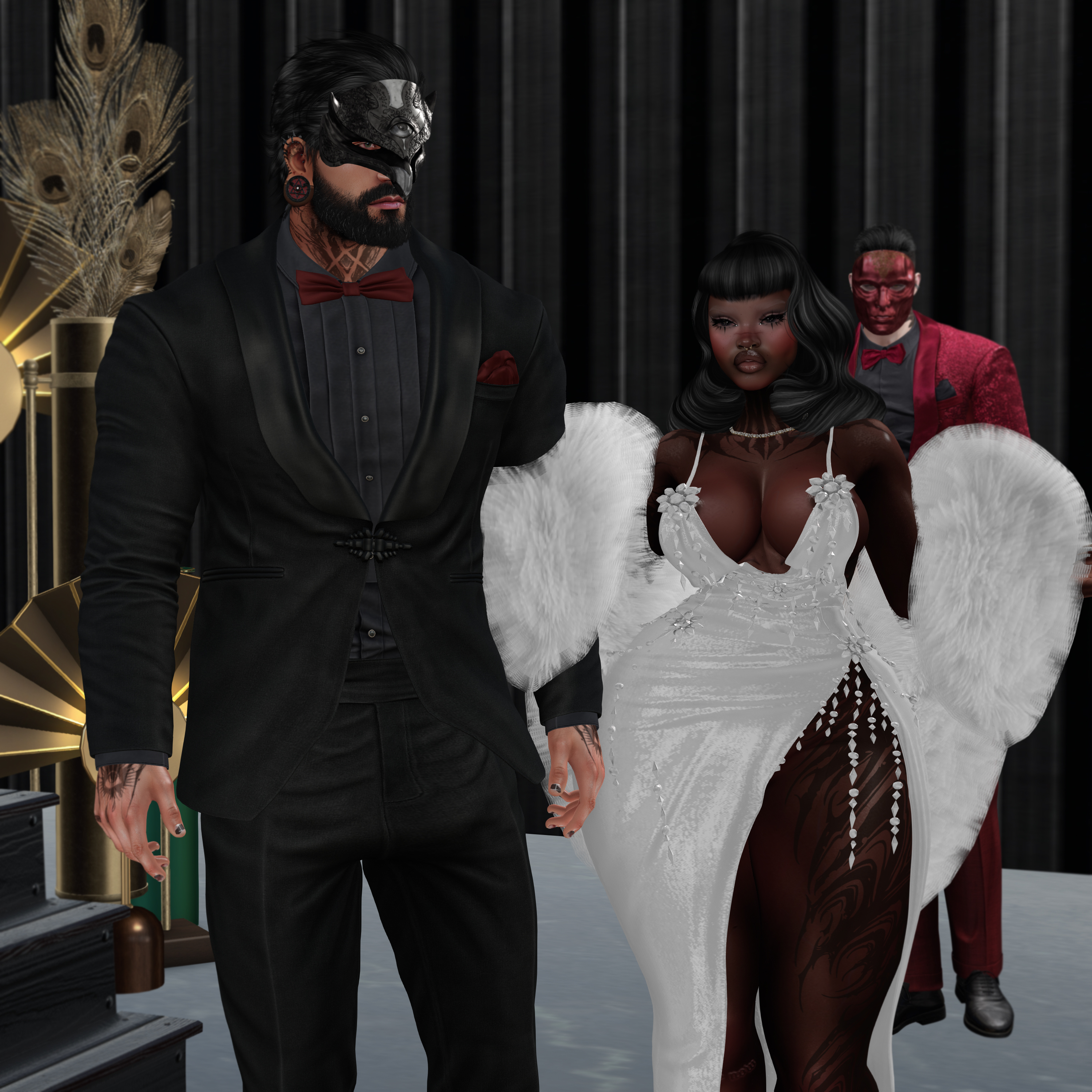

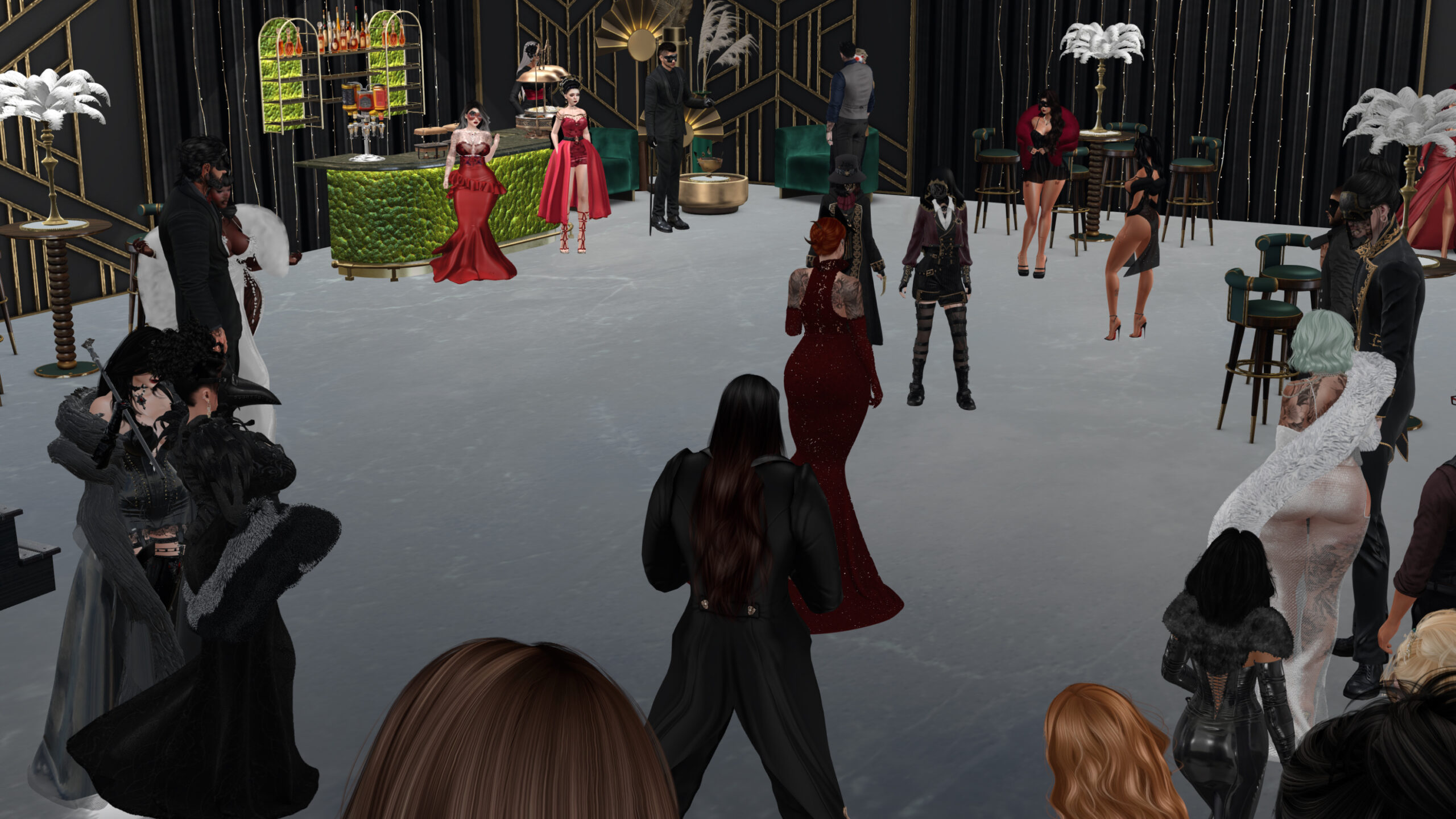
It is perhaps too early to declare the end of the chaos that has plagued Laveau‘s public services for the better part of a decade. But if the reopening gala was any indication, there is certainly a renewed sense of confidence surrounding the hospital, and the community appears to have noticed. The turnout was impressive. The reception hall quickly became packed, with residents and visitors alike making their way through the newly reopened facility. Among those in attendance were guests from outside Laveau, including members of the Hathian medical community working at HGH, whose presence served as a welcome show of support from another institution facing many of the same challenges. For an evening, the rivalry and troubles that so often dominate conversations about public healthcare seemed to have been replaced by something considerably more positive: cooperation.
A Celebration Worth Having
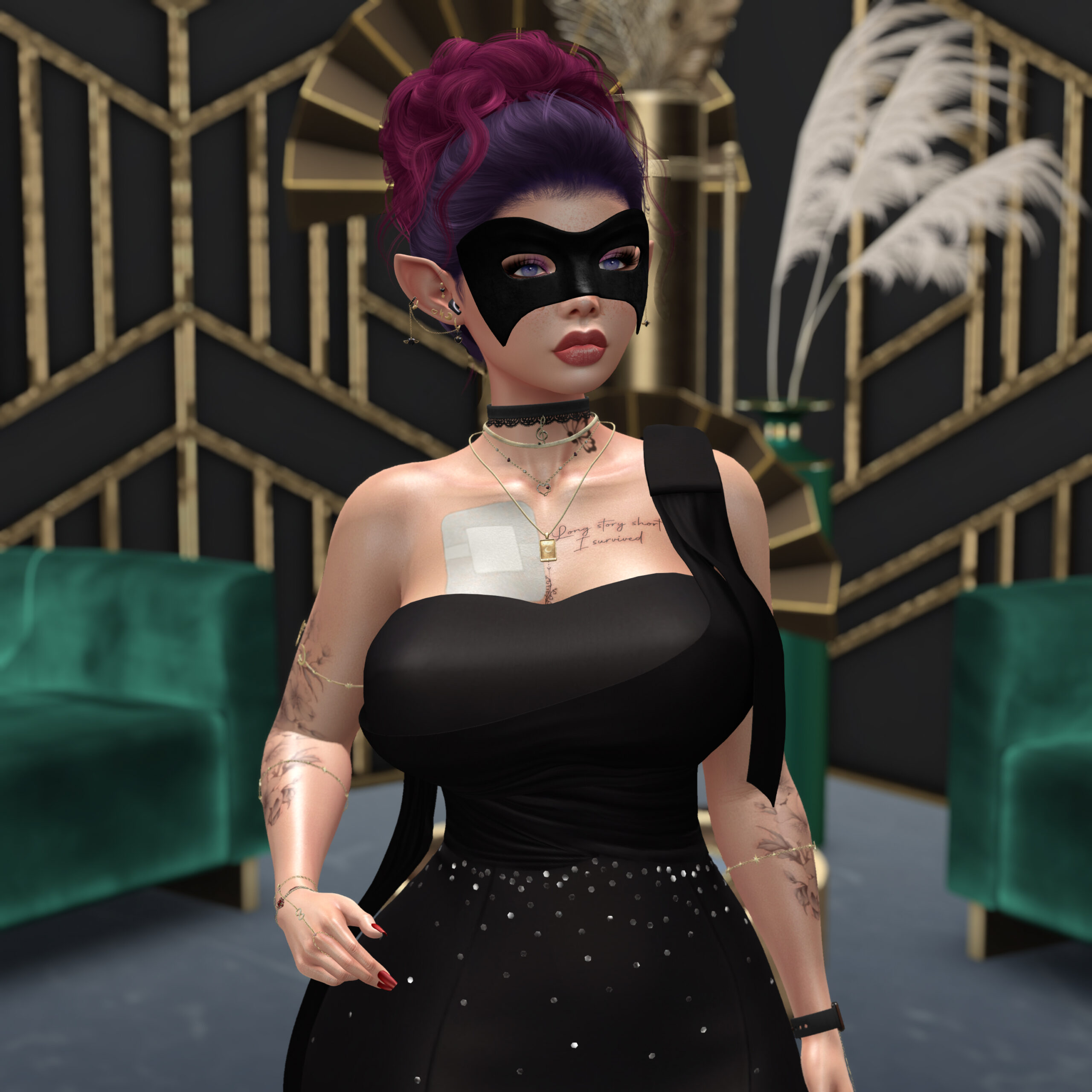
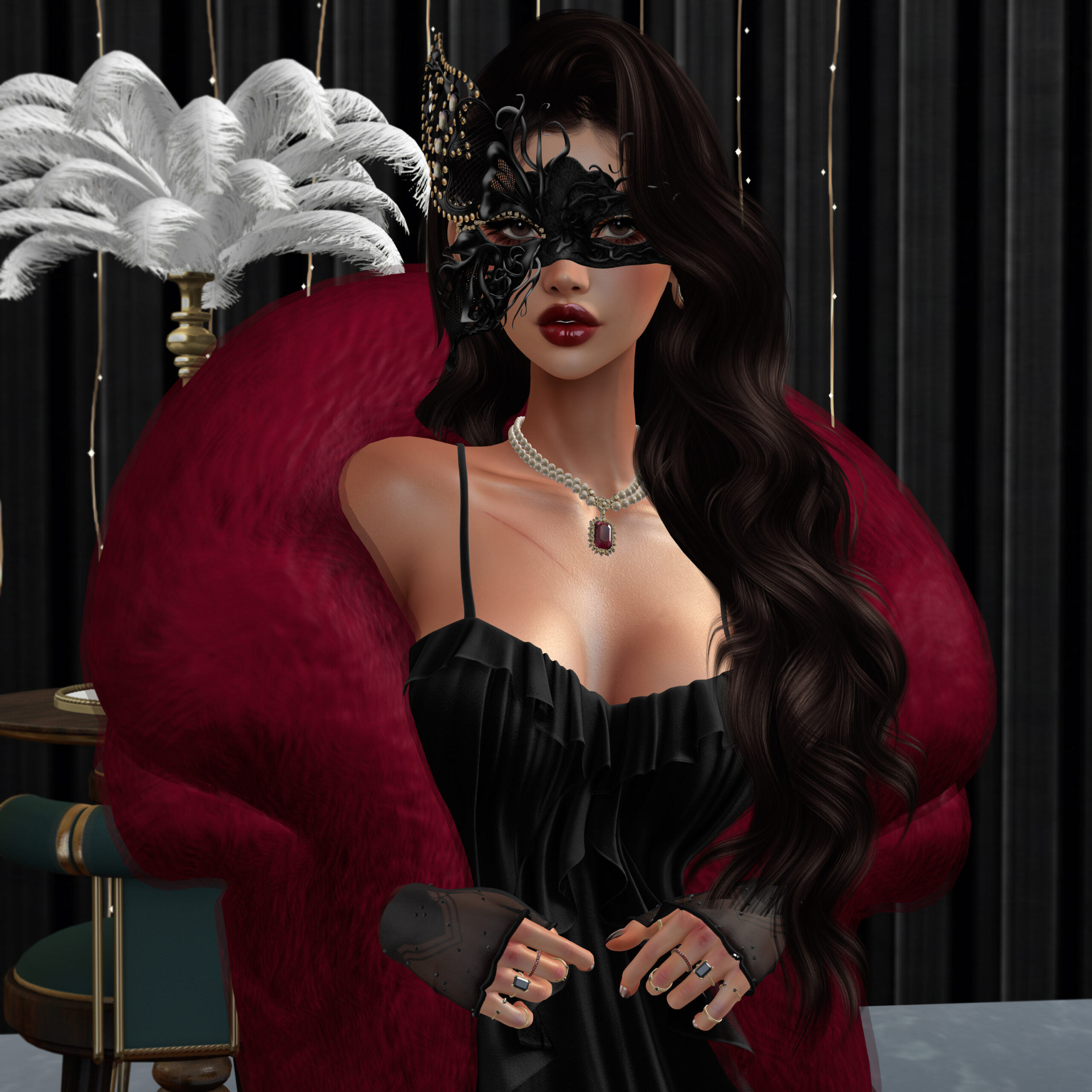
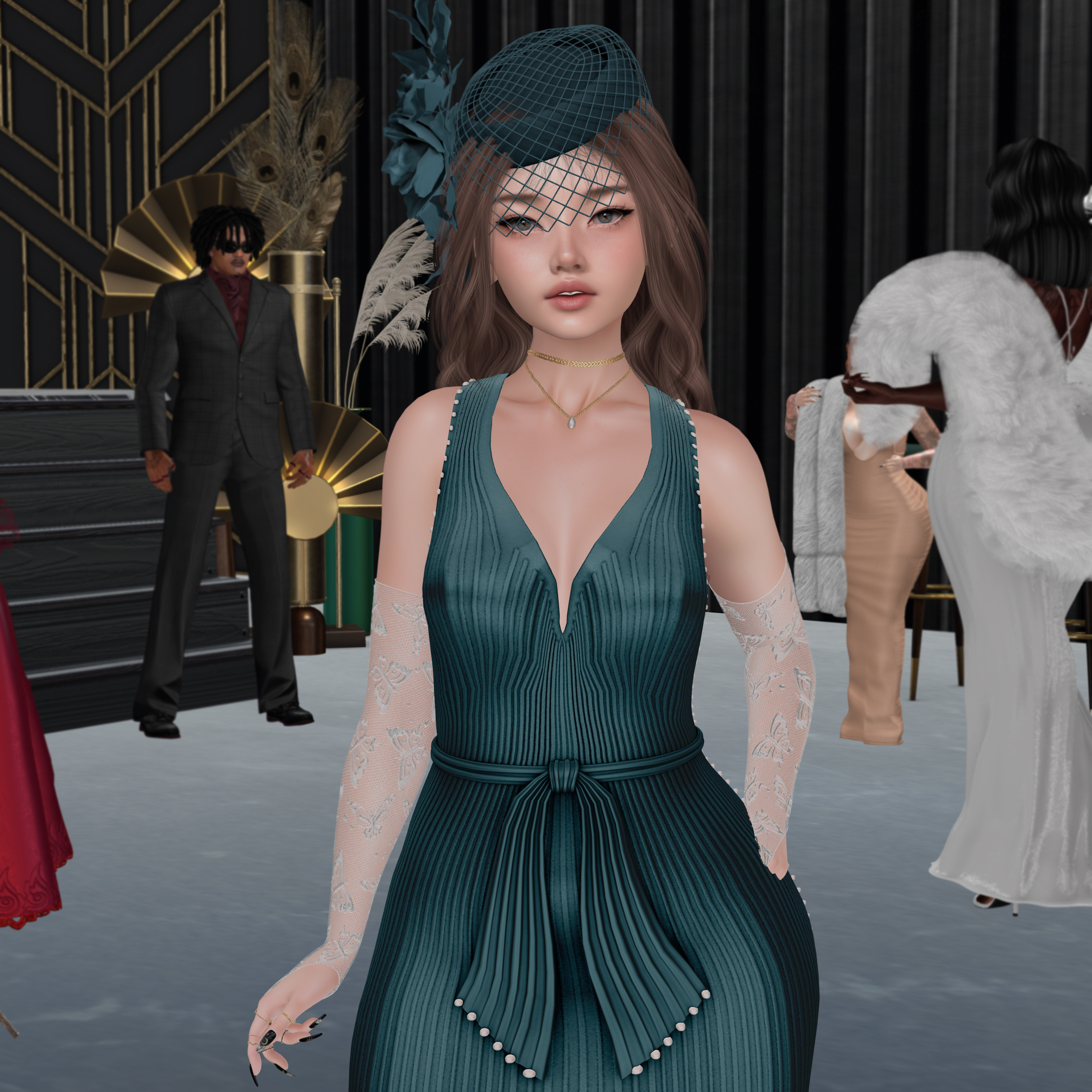
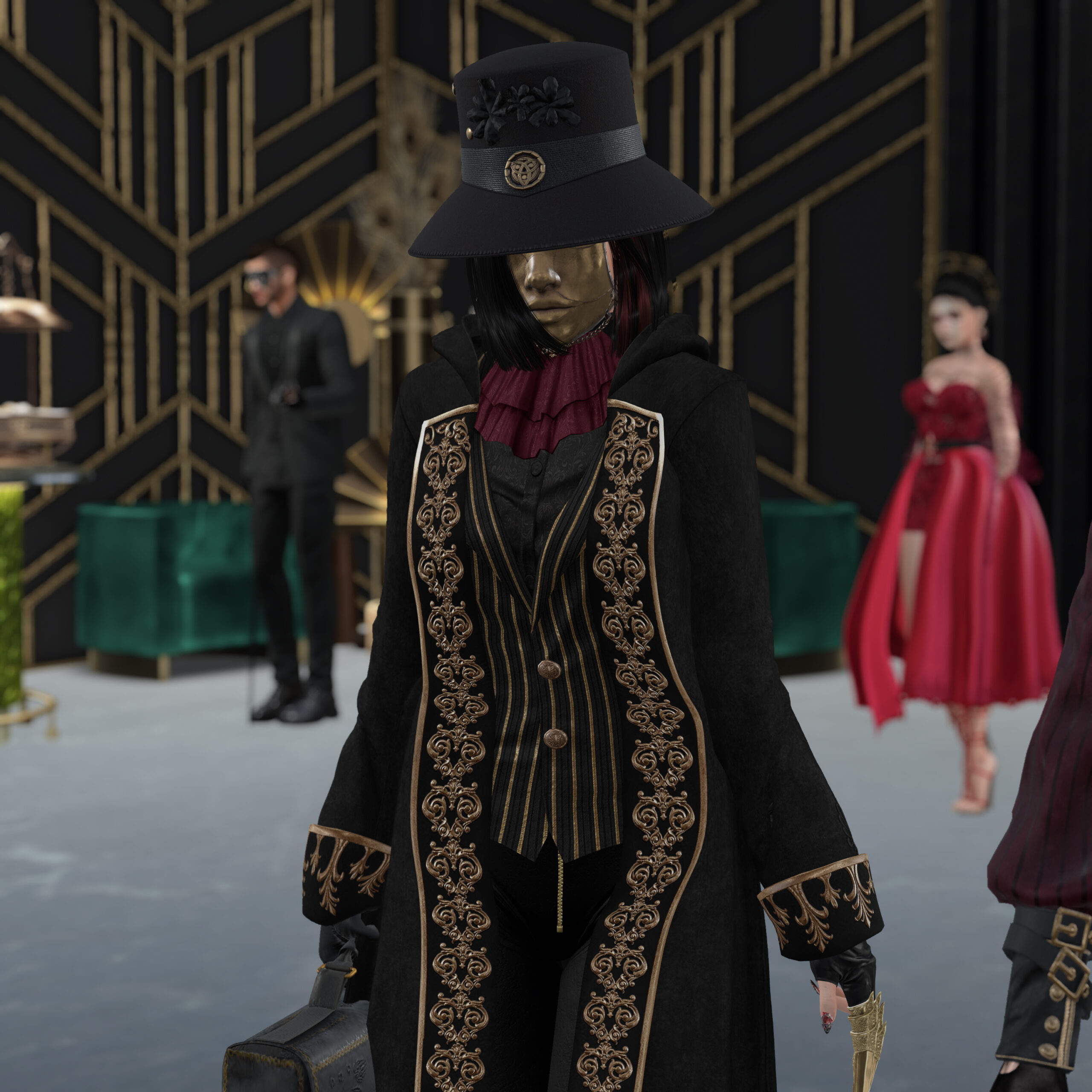
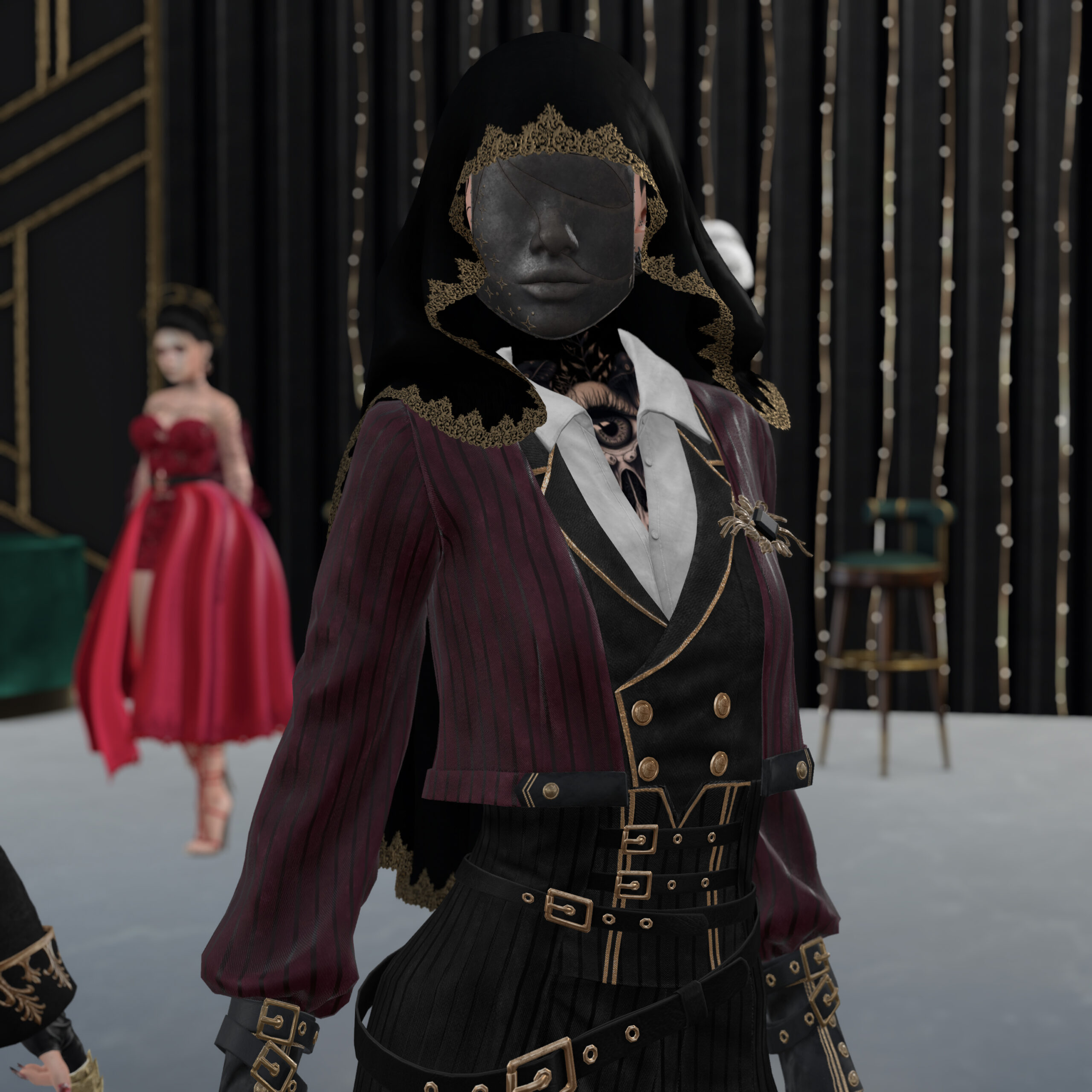
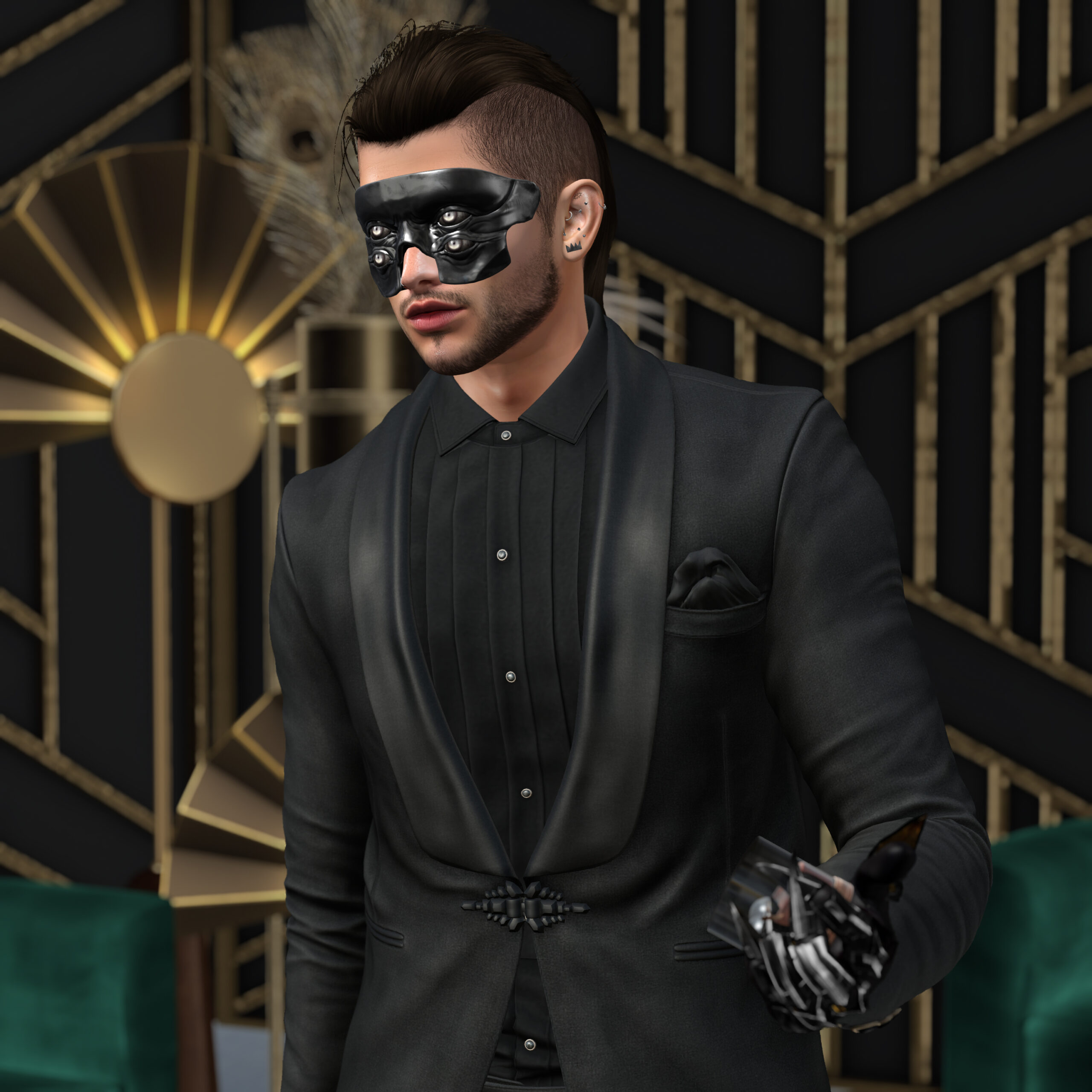
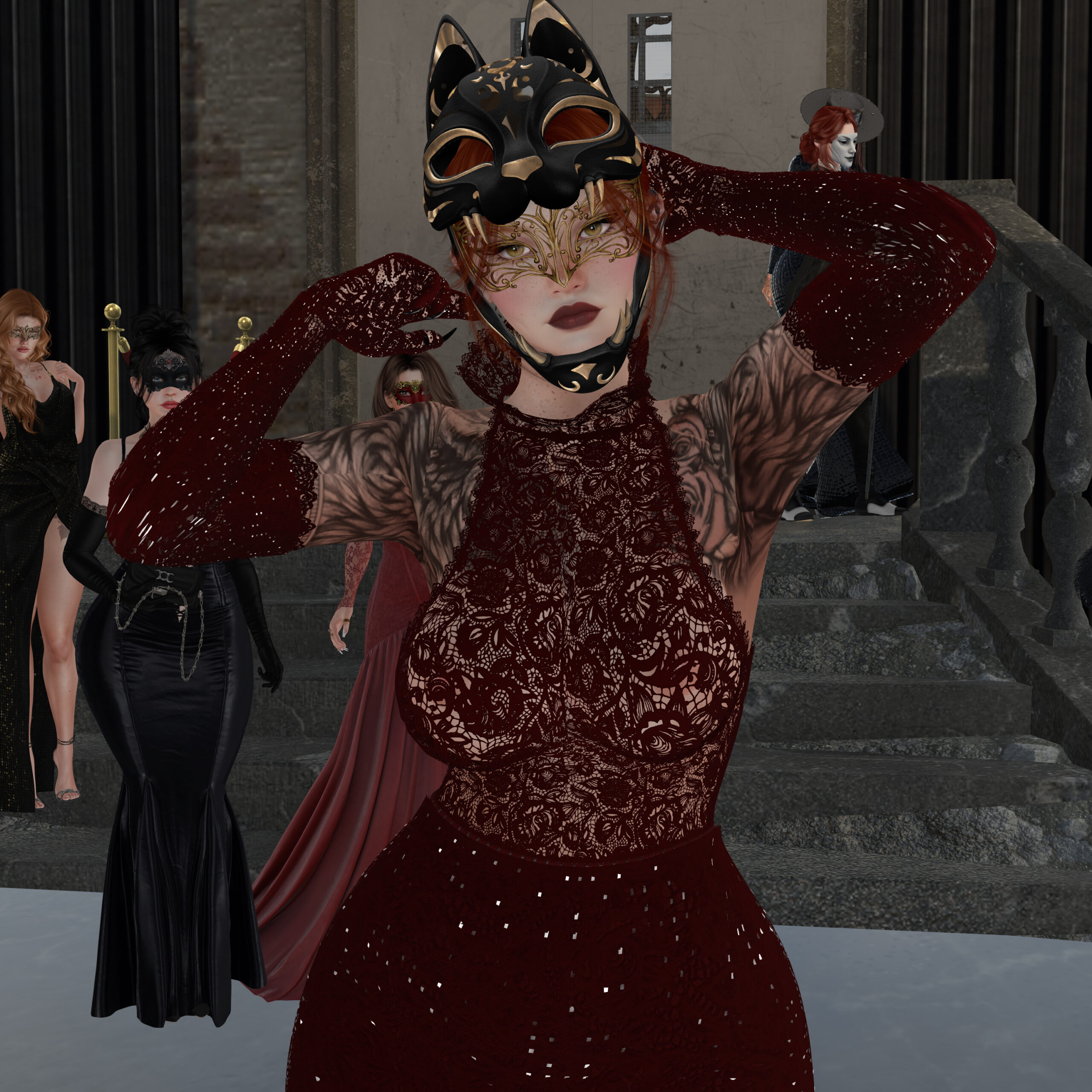
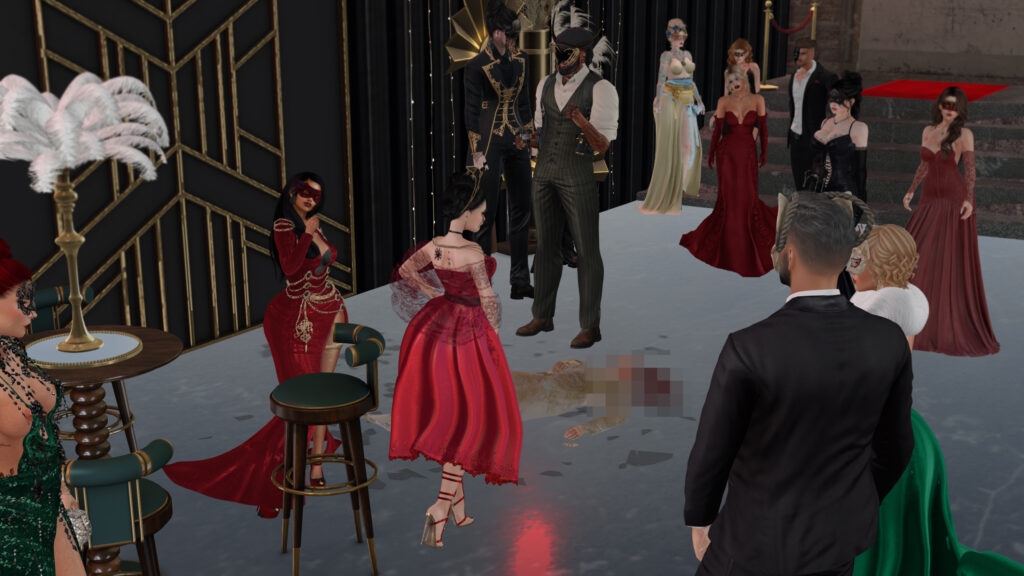
The evening began much as one might expect from a grand reopening. Guests arrived dressed for the occasion, many wearing masks as part of the night’s theme. Drinks and food provided by Crooked Key Restaurant flowed, music filled the halls and conversations continued well into the evening. The hospital, usually associated with illness, bureaucracy and the more difficult realities of Laveau life, was transformed into a surprisingly lively social gathering. There was a sense that people genuinely wanted to be there.
That may be the most encouraging part of the evening. The reopening was not simply a ceremony for administrators and medical staff. It attracted ordinary residents, visitors, friends and curious locals who came to see what had become of one of the city’s oldest institutions.
Dr. Sh’Zual addressed the assembled guests, acknowledging the hospital’s complicated history while looking toward its future. Varriale followed with a toast to what he described as a new era for Laveau’s Hospital.
For a moment, everything seemed to be going exactly according to plan. Then a window broke.
The Night Takes an Unexpected Turn
The celebration was interrupted when movement was spotted in an upper-floor window. Seconds later, a body came crashing through the glass and fell into the courtyard below. The sudden accident naturally caused confusion among the guests, transforming what had been an evening of celebration into an unexpected investigation. What precisely happened remains unclear, and the circumstances surrounding the accident are still the subject of speculation.
Yet despite the shock, the situation did not descend into the chaos one might have expected. Varriale stepped to the front to invite guests to leave the room and wander around the Clinic and the Asylum’s upper floors so the Clinic workers could attend to the woman’s wounds.
Guests began searching the building, documenting what they found and attempting to establish what had happened. Among them was your Fearless Reporter, who followed the investigation into the older sections of the facility. What was discovered there was, admittedly, considerably less pleasant than the champagne reception downstairs.
Looking Into the Asylum
The older sections of the hospital contained a number of disturbing remnants of its past. Bloodstains could be found throughout some of the isolation rooms. Old documents referenced patients, containment procedures and events dating back decades. Among the material recovered were records connected to the infamous 1937 revolt and references to patients whose eventual fate remains uncertain.
There were also stranger findings: warnings concerning unexplained knocks, reports of unusual incidents and symbols whose meaning remains unclear. It would be tempting, particularly in a place with the reputation Laveau Hospital has acquired over the years, to immediately attribute such discoveries to something supernatural. That would be premature though.
Old buildings make strange noises. Historical records can become fragmented. A hospital with decades of neglect behind it is inevitably going to contain disturbing evidence of the people and events that once occupied it. What matters now is how the institution responds. The improvised investigation uncovered enough unanswered questions to warrant further attention, but it would be irresponsible to turn uncertainty into panic. Whatever happened on Saturday night, there is currently no reason for residents to assume that the hospital itself poses a danger to the public. If anything, the discoveries inside the old Asylum serve as a reminder of why institutions such as this one need to acknowledge their history rather than allow it to disappear into rumor.
The Beginning of Something Better?
The reopening of Laveau‘s Hospital was intended to represent a fresh start. Despite the shocking events that interrupted the celebration, that objective should not be forgotten. The hospital drew a larger crowd than expected. Its reopening received support from beyond Laveau‘s borders. Its new leadership presented a united front, and for one evening, residents were able to see a public institution functioning not as a symbol of the city’s problems, but as a place bringing people together.
There are still questions surrounding what happened that night. There are certainly questions about what remains hidden inside the older parts of the hospital. But perhaps those questions are best approached with investigation rather than fear.
For now, Laveau’s Hospital has reopened its doors. What comes through them next may determine whether this really is the beginning of a new era for public healthcare in Laveau.